



Daily Post4 Oct 2026
2027: Atiku, Amaechi unelectable – Presidency backs WikeElection2023 Presidential Elections →
Born29 March 1952 (age 74)
ReligionIslam
EthnicityYoruba
SpouseOluremi Tinubu
GenderMale
EducationChicago State University
BirthplaceLagos
OccupationAccountant
QualificationBSC BUSINESS AND ADMINISTRATIONWhat do these qualifications mean?
Running MateShettima Kashim
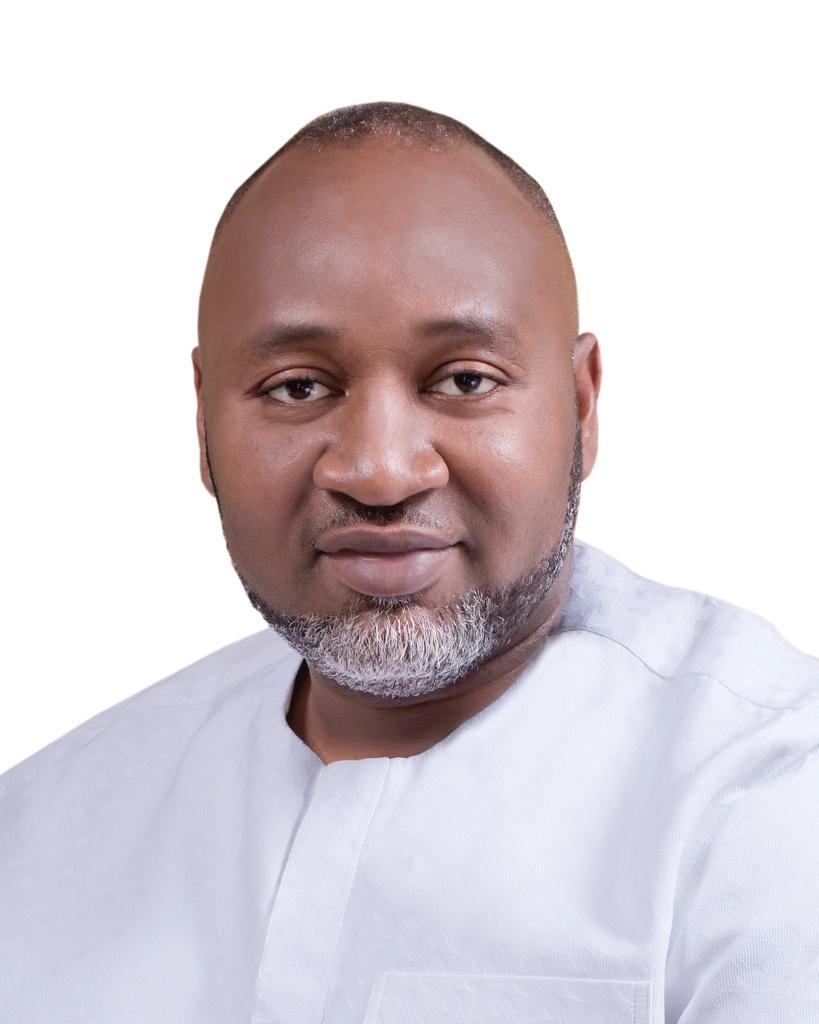
Bola Ahmed Tinubu is a Nigerian politician who contested the 2023 Presidential Elections as the All Progressives Congress (APC) candidate. Bola Ahmed Tinubu won with 8.8M votes (36.61%).
Career
2027APCPresidential ElectionNominee→
2023APCPresidential Election8,794,726 votes · 36.6%Won
See Bola Ahmed Tinubu’s full career →In this race · 2023 Presidential ElectionsAll candidates →
Biography
Asiwaju Bola Ahmed Adekunle Tinubu was born on 29 March 1952 in Lagos and belongs to the Yoruba ethnic group within a Muslim family.
He studied accounting at Chicago State University, where he earned a Bachelor of Science in Business Administration in 1979 after working various odd jobs and earning an honor dean’s list. His academic achievements included leading the university’s accounting society as president during his senior year with a cumulative GPA of 3.54.
After graduation, Tinubu worked for major American firms like Arthur Andersen, Deloitte, and GTE Services Corporation before moving to Nigeria in the 1980s, where he held executive roles at Mobil Producing Nigeria Unlimited (now Seplat Energy) as a senior company executive and treasurer.
He entered politics under the Social Democratic Party in 1991, later becoming a founding member of NADECO during military rule. His political career gained momentum when he won the Lagos State governorship election in 1999 on the Alliance for Democracy (AD) ticket, serving until 2007.
During his tenure as governor, Tinubu implemented infrastructure projects and faced conflicts with the People’s Democratic Party (PDP)-controlled federal government over governance reforms. His leadership earned him international awards, including Best Governor in Nigeria and an honorary doctorate for contributions to democracy and development.
After leaving office, he played a pivotal role in forming the All Progressives Congress (APC) in 2013. In 2015, he supported Muhammadu Buhari’s presidential bid, helping the APC win power, marking an end to PDP dominance.
Tinubu became a key figure within the APC, advocating for economic reforms and progressive governance. His support for Buhari in 2019 strengthened his influence within the party, though internal tensions later emerged over succession plans.
On 10 January 2022, Tinubu formally announced his candidacy for president of Nigeria, securing nomination at the APC convention on 8 June 2022. His election in March 2023 marked a historic victory, defeating Atiku Abubakar and Peter Obi.
Since assuming office, Tinubu has pursued economic reforms such as removing fuel subsidies, restructuring government agencies, and implementing financial liberalization measures. He also addressed security challenges, including countering coup plots and supporting regional stability in neighboring countries.
Party Positions
Policy positions from All Progressives Congress (APC)'s manifesto.
Education
Introduces a new management system for federally funded primary and secondary schools via Boards of Education, reserving community representation in decision-making.
Healthcare
Will strengthen primary healthcare infrastructure with incentive schemes, counterpart funding programs, and grassroots preventative care (vaccinations, cancer screening, blood pressure monitoring) in collaboration with state/local governments.
Reliefs and scholarships
Provides **conditional income support** to very poor households, tied to human capital development goals like high-school attendance, healthcare, and nutrition.
Security & Defense
Enhances compensation, medical care, housing support, scholarships, stipends, and health insurance for military personnel injured in duty and their families.
Governance & Reform
Commits to amending Nigeria’s governance architecture through constitutional review and collaboration with the National Assembly and State Governments to grant States greater autonomy over critical matters like crime prevention, prisons, stamp duties, and taxation.
Economy & Trade
Reforms the Federal Budgetary Methodology to move away from oil revenue dependence and base spending on projected growth, establishing an inflationary ceiling to optimize fiscal policy without causing excessive inflation.
Technology & Digital
Establishment of an advisory committee to review and reform regulatory frameworks for blockchain technology and virtual asset services.
Infrastructure
Launches a National Infrastructure Campaign to modernize national infrastructure by hiring millions of unemployed Nigerians through the fiscal flexibility gained from reforming budgetary methodology.
Agriculture
Will encourage local farmers to form farm cooperatives, enabling them to pool resources for modern farming equipment, fertiliser, and access priority government agricultural assistance programs (extension services), with tax breaks and credits.
Environment & Climate
Will **reduce Nigeria’s gas flaring** by removing it from the top 10 countries with highest flares, aiming to maximize sector benefits while eliminating environmental harm.
Anti-corruption
Curb reliance on imported goods via luxury taxes, higher tariffs, and processing fees while incentivizing local manufacturing with tax credits/rebates.
Enterprise grant support
Provides tax credits, holidays, and reduced interest rate loans for businesses that hire a specified percentage of youth in their workforce and offer on-the-job training.
Energy
Will increase Nigeria’s domestic crude oil production to **2.6 million barrels per day by 2027** and **4 million barrels per day by 2030**, while implementing a Special Enforcement and Monitoring Unit to deter theft, vandalism, and pipeline breaches using drones and aerial surveillance.
Following Bola Ahmed Tinubu?
We send updates about the candidates, including declarations, withdrawals and party changes.
Unsubscribe at any time. We do not sell your email address.
In The News
Punch Newspapers4 Oct 2026
2027: Ogun PDP chieftain mobilises non-indigenes for TinubuVanguard News4 Oct 2026
Shettima: Tinubu saved Nigeria’s economyVanguard News4 Oct 2026
Probe ₦94.4bn allegedly diverted, unremitted oil funds, SERAP tells TinubuChannels TV3 Oct 2026
Tinubu Saved Nigeria From Falling Into Pieces — Vice President ShettimaShow 10 more articles
Daily Post2 Oct 2026
‘Tinubu policies killed my mother- Rotimi AmaechiVanguard News2 Oct 2026
2027: Prepare for your resignation – NDC tells WikeDaily Post2 Oct 2026
I have been in govt more than Tinubu – Rotimi AmaechiDaily Post2 Oct 2026
Independence: CAN Chairman tells Tinubu to urgently cut fuel, food pricesDaily Post2 Oct 2026
I’ve been in politics since 1987, waiting for who will arrest me for corruption – AmaechiDaily Post1 Oct 2026
October 1: Why can’t you cure her – Atiku slams Tinubu for calling Nigeria cancer patientDaily Post1 Oct 2026
October 1: Jonathan sends strong message to Tinubu, governorsPunch Newspapers1 Oct 2026
Obasa rallies voters for APC, urges support for Tinubu, HamzatPunch Newspapers1 Oct 2026
[FULL TEXT] Nigeria @66: Tinubu declares ‘age of prosperity’ after three years of reformsVanguard News1 Oct 2026
We won’t return to ‘addictive’ fuel subsidy – Tinubu tells NigeriansSources
Photo, State of Origin, Date of Birth, Bio: Wikipedia ↗
Gender, Qualifications: INEC ↗
Education, Place of Birth, Religion, Ethnicity, Spouse, Occupation: Wikidata ↗
Running Mate: INEC ↗