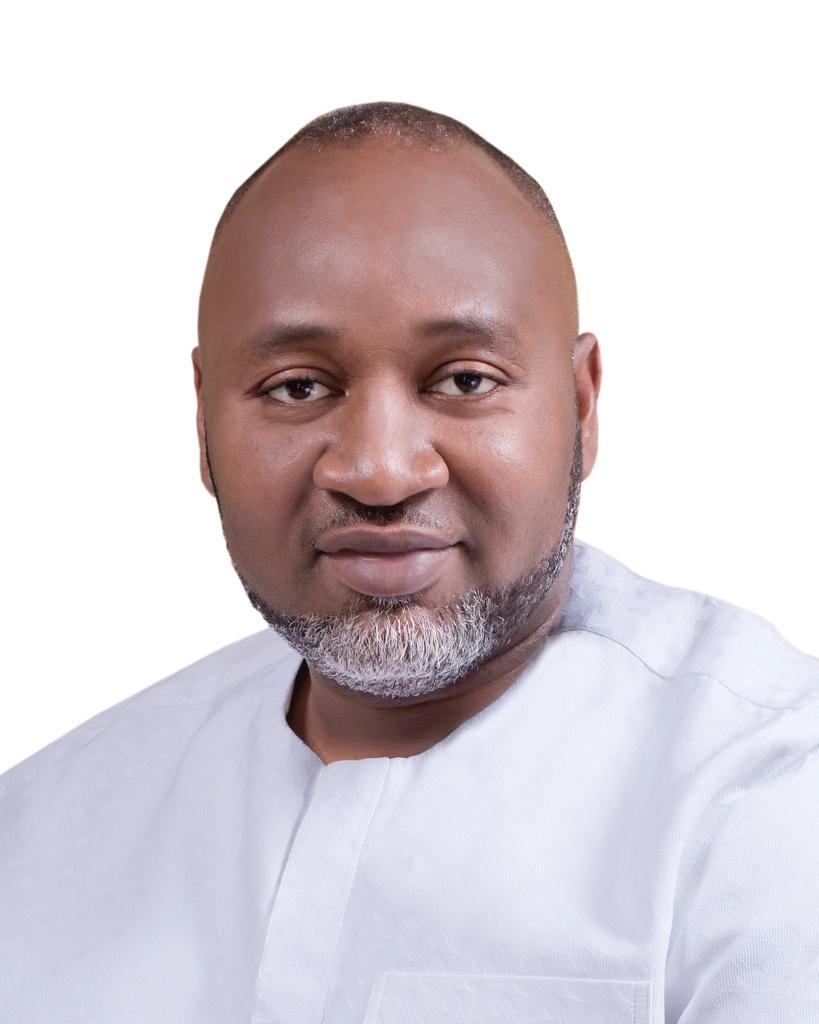
Musa Mohammed Rabiu Kwankwaso

Musa Mohammed Rabiu Kwankwaso

NNPPLOST

1,496,687 votes (6.23%)

Vote comparison

APC
36.61%
PDP
29.07%
â–¸ NNPP
6.23%
Born21 October 1956 (age 69)
GenderMale
EducationMiddlesex University, Loughborough University
BirthplaceMadobi
OccupationPolitician
QualificationFIRST SCHOOL LEAVING CERTIFICATE TECHNICAL TRAINING CERTIFICATE CRAFT TRAINING CERT, OND, HND, POST GRADUATE DIPLOMA, MASTERS OF SCIENCE (MSc), PHD (WATER)
Running MateOdiri Idahosa, Isaac
Summary

Musa Mohammed Rabiu Kwankwaso is a Nigerian politician who contested the 2023 Presidential Elections as the New Nigeria Peoples Party (NNPP) candidate. They received 1.5M votes (6.23%).

Biography

Mohammed Rabi’u Musa Kwankwaso, FNSE FNIQS, was born on 21 October 1956 in Madobi, Kano State, to a Muslim family with royal lineage tracing back to the Kano Emirate Council. His father held positions of prominence as Sarkin Fulani Dagacin Kwankwaso and later Majidadin Kano, Hakimin Madobi, under the leadership of the 13th Emir of Kano, Alhaji Ado Bayero.

Kwankwaso began his professional career in 1975 as a water engineer with the Kano State Water Resources and Engineering Construction Agency, rising to become the principal water engineer. His academic background includes technical training, an OND, HND, a postgraduate diploma, an MSc in civil engineering, and a PhD in water engineering (awarded in 2022).

He entered politics in 1992 as a member of the Social Democratic Party (SDP) under General Shehu Yar’adua’s faction. His political career included stints as a member of the House of Representatives (1992–1999), deputy speaker, and governor of Kano State (1999–2003 and 2011–2015).

During his first governorship (1999–2003), Kwankwaso established Kano University of Science and Technology, a landmark project in Northern Nigeria. His second tenure (2011–2015) saw the creation of North West University, Kano, and over 26 academic training institutes, boosting education enrollment and infrastructure. He introduced free school feeding and uniforms, expanded technical and religious education, and awarded scholarships to over 3,000 students locally and abroad.

Kwankwaso’s governance was marked by infrastructure projects, including flyover bridges, dual-carriage roads, and drainage improvements. He built housing estates like Kwankwasiyya, Amana, and Bandirawo, and launched the Kwankwasiyya Development Foundation (KDF) to support education, poverty alleviation, and social welfare, including scholarships, prison releases, and sports sponsorships.

Politically, Kwankwaso was a key figure in the People’s Democratic Party (PDP) and later defected to the All Progressives Congress (APC) in 2013 before returning to PDP in 2018. He contested presidential primaries in 2014 (APC), 2018 (PDP), and 2022 (NNPP), finishing fourth in each. In 2023, he ran under the New Nigeria Peoples Party (NNPP), securing 6.23% of the vote (~1.5 million votes) but lost to Atiku Abubakar.

After losing re-election in 2003, Kwankwaso served as Nigeria’s Minister of Defence (2003–2007) under President Olusegun Obasanjo. He later represented Kano Central in the Senate (2015–2019) before defecting to the opposition. His political realignment began in 2022 when he co-founded the National Movement and became national leader of the New Nigeria Peoples Party (NNPP).

Known for his populist appeal in Kano and the Northwest, Kwankwaso is seen as a charismatic but pragmatic leader, blending left-leaning economic policies with regional priorities. His ideological roots draw on Kano’s socialist traditions, though his party remains focused on practical governance. Despite allegations of pension fund misappropriation (later dismissed by the EFCC), he has consistently denied corruption charges, framing them as political attacks.

A socially conservative figure, Kwankwaso’s leadership has emphasized education, infrastructure, and youth empowerment. His foundation continues to support marginalized communities, including widows, disabled individuals, and orphans, while advocating for systemic reforms in Nigeria’s political and economic structures.

Policy Positions

Infrastructure

Built 230 secondary schools, including 47 technical colleges, 44 Islamic study schools, and a boarding girls' college during his second tenure (2011–2015).

Source ↗

Education

Introduced free school feeding and uniforms, increasing primary school enrolment from 1 million to over 3 million by 2015.

Source ↗

Reliefs and scholarships

Awarded over 2,600 scholarships abroad and locally during his second tenure.

Source ↗

In The News

Follow the 2027 race

When someone declares, drops out, or switches party. You'll know.

Other Presidential Candidates

Share:WhatsAppX

Sources

Photo, Date of Birth: Wikidata ↗

State of Origin: Wikipedia ↗

Gender, Qualifications, Running Mate: INEC ↗

Bio: Wikipedia (rewritten) ↗