



aminiya.ng23 Jan 2026
Kotun Ƙoli ta wanke Al-Mustapha daga zargin kisan Kudirat AbiolaElection2023 Presidential Elections →
Born27 July 1960 (age 66)
GenderMale
BirthplaceNguru
OccupationMilitary officer
QualificationF.L.S.C WAEC NDACEWhat do these qualifications mean?
Running MateJohnson Emmanuel Chukwuka
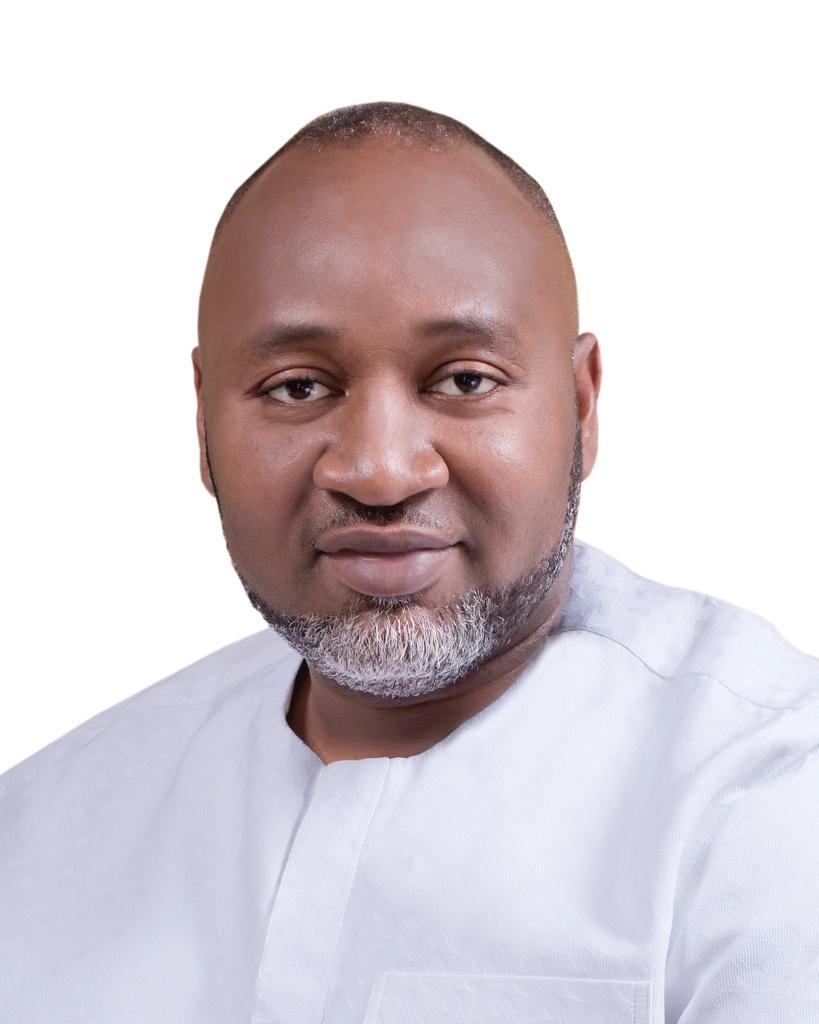
Almustapha Hamza is a Nigerian politician who contested the 2023 Presidential Elections as the Action Alliance (AA) candidate. Almustapha Hamza received 15K votes (0.06%).
In this race · 2023 Presidential ElectionsAll candidates →
Biography
Hamza Al-Mustapha, born on 27 July 1960 in Nguru, is a retired Nigerian Army major and intelligence officer who served as Chief Security Officer to Head of State General Sani Abacha from 1993 until his death in June 1998. His family background is Hausa, and he was educated locally before enrolling at the Nigerian Defence Academy in Kaduna.
After being commissioned into the Nigerian Army in 1983, Al-Mustapha served as an intelligence operative. Between August 1985 and August 1990, he held a role of significant influence under General Sani Abacha’s command, though his exact position (like ADC) was later clarified to be that of Chief Security Officer.
His tenure under Abacha marked him with exceptional responsibilities, including counter-intelligence operations, investigations into coup attempts, and extensive deployments in international missions such as Chad, Liberia, Bakassi, Gambia, and Sierra Leone. He reorganized Nigeria’s administrative zones into six geopolitical regions, establishing a network of informants nationwide.
Al-Mustapha’s role under Abacha included overseeing elite military-security organizations and maintaining the regime’s security. His influence was so profound that even his superiors respected him greatly; former officials like Major-General Abdulkareem Adisa testified to his pivotal role in the Abacha regime’s stability.
Following General Sani Abacha’s death on 8 June 1998, Al-Mustapha was removed from office and arrested for alleged crimes, including a suspected involvement in the assassination of Kudirat Abiola. He faced multiple trials, torture, solitary confinement, and psychological abuse during his detention at Kirikiri Maximum Security Prison.
Despite appeals from former military president Ibrahim Babangida and acquittals on most charges by 2013, Al-Mustapha was convicted in 2012 of the murder of Kudirat Abiola. The Court of Appeal overturned this conviction in 2013, but he remains legally implicated in the case.
After his release, Al-Mustapha relocated to Kano and entered politics, founding the Green Party of Nigeria (GPN) in 2017. He ran unsuccessfully for president in both 2019 (PPN) and 2023 (Action Alliance), where he was disqualified due to procedural disputes but continued campaigning, splitting the party’s factions.
Throughout his career, Al-Mustapha has been accused of various crimes, including drug trafficking via diplomatic pouches, involvement in coup plots against Obasanjo, and alleged attempts on the lives of Abiola, Ibru, and Porbeni. His political and military legacy remains controversial, marked by both influence under Abacha and enduring legal controversies.
Following Almustapha Hamza?
We send updates about the candidates, including declarations, withdrawals and party changes.
Unsubscribe at any time. We do not sell your email address.
In The News
247 Ureports3 Feb 2025
Nigeria is facing a dilemma of leadership – By Adamu Umar KumoThe Guardian Nigeria News12 Nov 2023
Sultan, SGF, others condole Ma’aji over wife’s deathVanguard News8 May 2023
Tinubu’s appointees ‘ll help Nigeria recover stolen assets — Aliyu AbubakarPRNigeria News8 Apr 2023
Fact-Check: Does Borno State Have Abundant “Californium” As Claimed by Al-mustapha?Show 6 more articles
The Guardian Nigeria News19 Feb 2023
Election: AA endorses PDP, Atikuguardian.ng3 Jul 2022
2023: AA will not compromise Nigeria – Hamza Almustaphaaminiya.ng24 Apr 2022
2023: Za mu maka Hamza Al-Mustapha a kotu in bai fito takara ba – Magoya bayaThe Whistler Newspaper12 Jun 2017
MASSOB Makes Peace With Northern Groups, Disowns Nnamdi KanuPressReader5 Apr 2014
ENCOUNTER My life’s in danger, Al- Mustapha’s brother criesaminiya.ng19 Jul 2013
Alakata da Abacha ta sa aka tsare ni –Al-MustaphaSources
Bio, Photo, Date of Birth: Wikipedia ↗
Gender, Qualifications: INEC ↗
Place of Birth, Occupation: Wikidata ↗
Running Mate: INEC ↗